 JAMES CUBITT INTERIORS
Incubitt · Research · April 2025
Designing for the Modern Professional: How Workplace Wellness Is Evolving
We surveyed 400 office-based professionals. The message was clear: the modern office must become a destination, a place people choose, not endure.
By Jacqueline Aki, Fikayo Moronkola
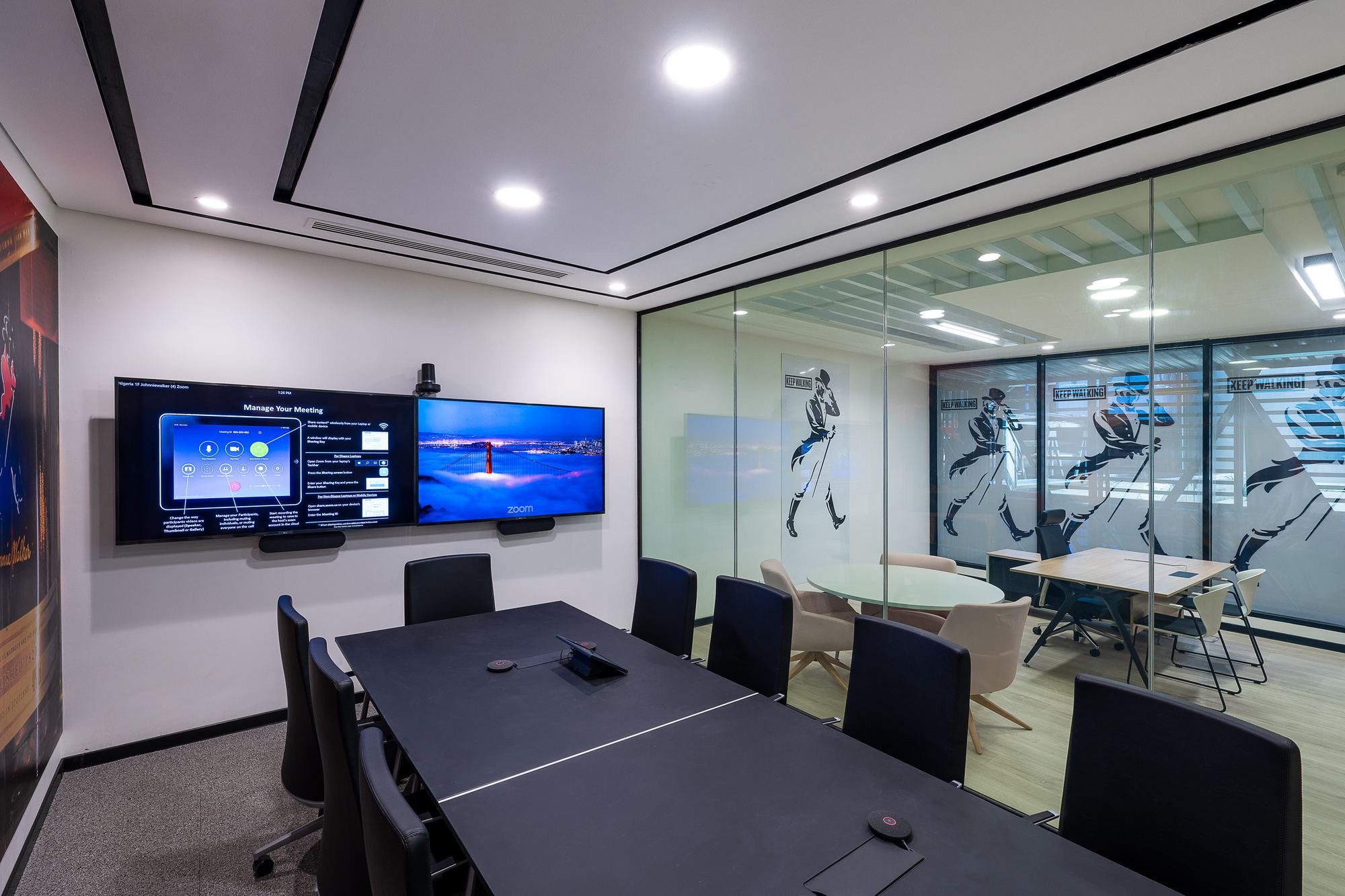
The modern office must move beyond four walls. It should become a destination: a place people choose, not endure.
Across Nigeria and beyond, work culture is once again shifting. While remote work became the norm post-pandemic, there is now a quiet but steady movement back to the office. However, this isn’t a return to what was. It is a reset.
At James Cubitt Interiors, we recently surveyed 400 office-based professionals across industries. The message was clear: today’s offices often feel rigid and uninspired, like being squeezed back into a shoebox after years of working with freedom and flexibility at home.
Spaces designed purely for efficiency now leave employees craving autonomy, comfort and energy. The question isn’t just how to bring people back, but how to make offices worth returning to.
We believe design can bridge that gap, turning workplaces into spaces people want to return to, not just have to. This paper identifies four actionable priorities, based on data and design experience, to help companies rethink their offices as well-being-driven environments that attract, inspire and retain top talent.
- 80%+ rated clean, consistent airflow as a top priority
- 50%+ crave flexibility in how and where they work
- 60% connected energy efficiency to workplace wellness
- ~50% ranked tech-enabled environments in their top three needs
1. Prioritise air quality
What the data shows: over 80% of respondents rated clean, consistent airflow as a top priority.
Why it matters: poor air quality undermines focus, comfort and health. Inadequate ventilation leads to fatigue and irritability, lowering team performance.
Practical action: audit your HVAC systems. Integrate smart filtration and climate control tailored to user density and work patterns. When air feels fresh, energy and engagement rise.
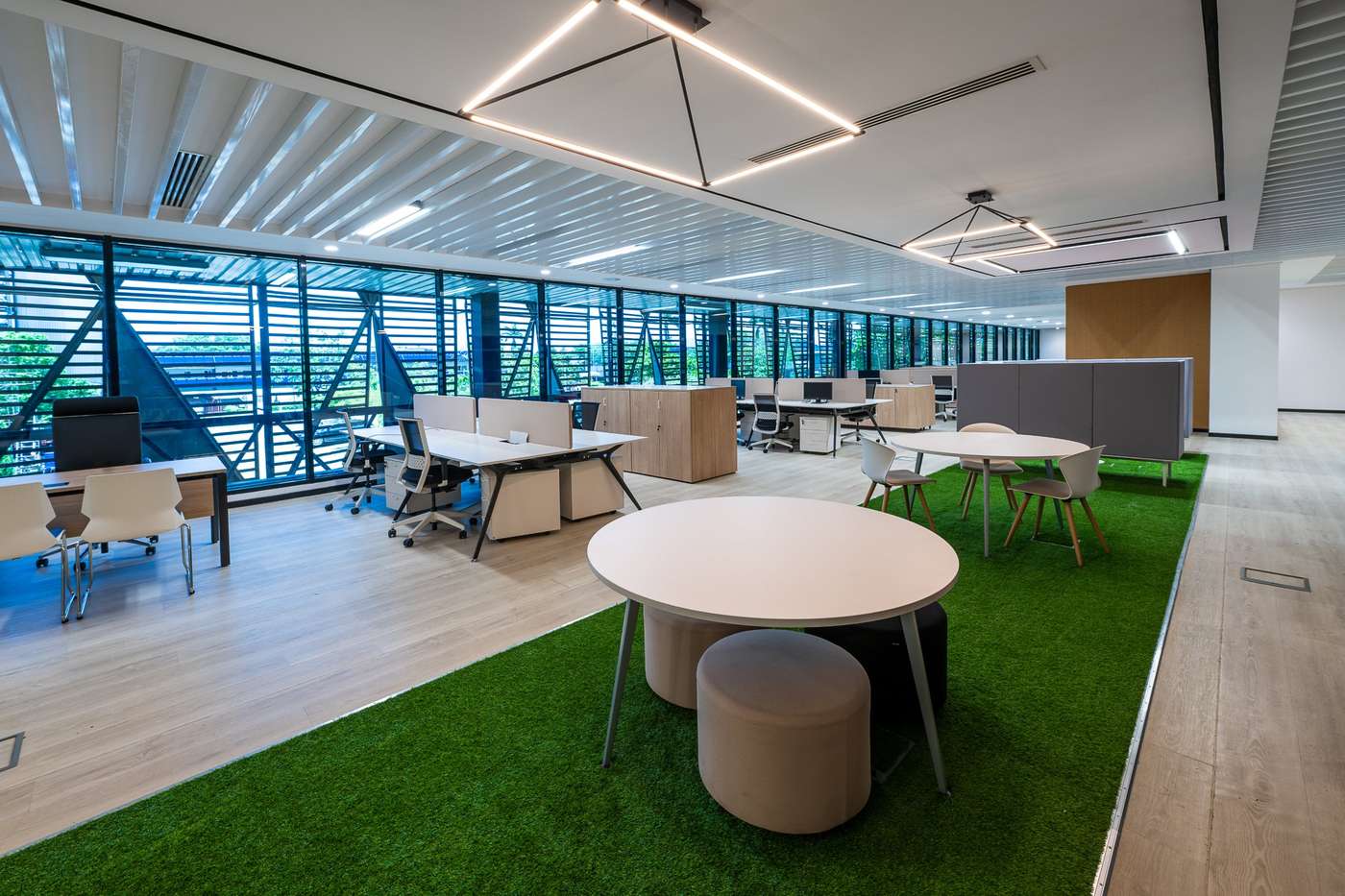
2. Create flexible, adaptive spaces
What the data shows: more than 50% of professionals crave flexibility in how and where they work.
Why it matters: modern professionals seek choice, with zones for quiet work, collaboration and mental breaks. Fixed layouts no longer support modern workflows.
Practical action: use modular furniture, movable partitions and multifunctional rooms. Think in layers, allowing one space to transform based on time of day or user need.
3. Embrace energy efficiency
What the data shows: 60% of respondents connected energy efficiency to workplace wellness.
Why it matters: post-pandemic, many professionals have become energy-aware. Having paid their own utility bills, they now expect offices to be smarter and more sustainable.
Practical action: don’t stop at solar panels and certifications. Use motion-sensor lighting, zone-specific AC and smart automation tailored to human behaviour. The key is not just technology, but thoughtful application.
4. Use technology to respond
What the data shows: almost 50% ranked tech-enabled environments among their top three needs.
Why it matters: technology should not overwhelm. It should serve. Occupancy sensors, adaptive lighting and responsive controls elevate both comfort and productivity.
Practical action: begin with environmental controls: air, light, noise. Let tech amplify experience, not replace human connection.
Composite case study: designing a destination office
When a global company in Lagos consolidated from two floors to one, they didn’t downsize experience; they amplified it. Working with James Cubitt Interiors, the transformation began with listening: staff surveys, one-on-one interviews and real-time observation.
- Zoned areas for collaboration, concentration and decompression.
- Acoustic pods for focus work.
- Hybrid-ready meeting rooms.
- Zoned climate control and intelligent air purification.
- Responsive lighting with motion sensors tailored by zone.
Impact
Reduced operating costs. Improved employee satisfaction. An elevated sense of ownership and well-being.
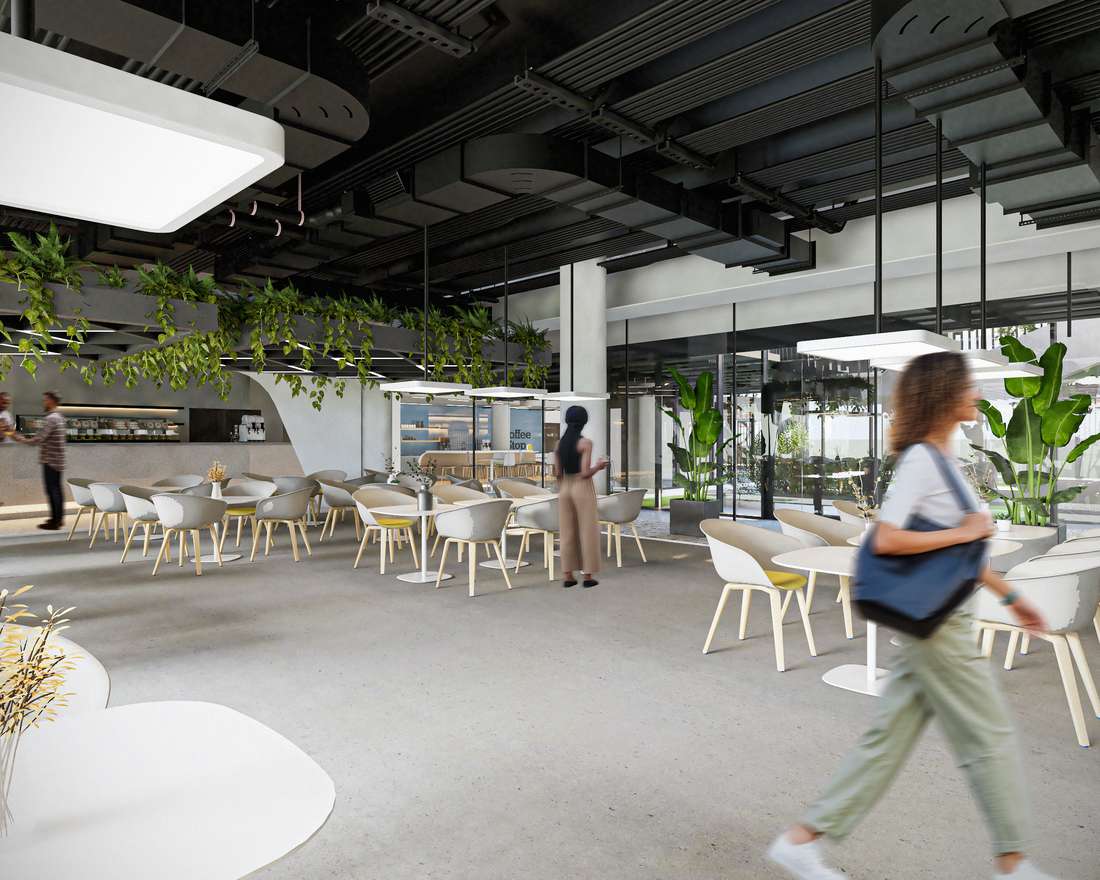
Conclusion: the office isn’t dead, it’s evolving
Employees no longer want a place to sit. They want a place to thrive. The workplace must become a space of purpose, energy and care.
For leaders, this is a business opportunity. Those who invest in wellness-centred design will gain more than retention: they will unlock resilience.