 JAMES CUBITT INTERIORS
Incubitt · IWD 2026
Beyond Aesthetics: Kay Sargent on Women’s Careers and Neuroinclusive Design
At a James Cubitt Interiors mentorship session, Kay Sargent shared reflections from more than four decades of practice, leadership, research and advocacy.
By Tolulope Daramola

IWD 2026: Giving back through mentorship
Everyone deserves access to guidance, but finding the right mentor, someone who supports you through your early mistakes and growth, isn’t always easy. At James Cubitt Interiors, we’re committed to changing that. We’re offering a free 3-week mentorship to 3 women in interior design and architecture who are ready to grow, learn and be guided by experienced professionals. If you’re a student or early-career professional looking for direction and real industry insight, this is for you. Our senior female leaders are ready to mentor. We’re ready to invest in you.
At a recent mentorship session hosted by James Cubitt Interiors, Kay Sargent shared reflections shaped by more than four decades of practice, leadership, research and advocacy.
What emerged was not a soft conversation about inspiration or personal success. It was a clear and pointed reminder that design is about influence. It shapes careers, affects culture, and determines how people actually feel in the spaces we create.
Across the session, two themes stood out with particular force. The first focused on women’s careers, visibility and leadership. The second turned to neurodiversity and the broader responsibility of design to support human well-being. Together, they formed a larger argument, one that pushed the conversation beyond aesthetics and toward impact.

Women, career and visibility: careers are not built on silence
One of the most grounded and memorable parts of the session was Sargent’s honesty about career and family. She spoke candidly about raising five children while building a demanding professional life, and she did not try to present that experience as seamless or perfectly balanced. Some seasons required family to take priority. Others required more from her career.
That truth matters. Too often, women are still handed a polished but incomplete model of success, one that leaves little room for trade-offs, strain, or the reality that priorities shift over time.
Sargent also pointed to something many professionals continue to underestimate: the value of contributing beyond the boundaries of a formal role. Volunteering, serving on boards and taking part in industry activity were not side interests for her. They were central to the way she built relationships, expanded influence, and created a career with greater meaning and reach.
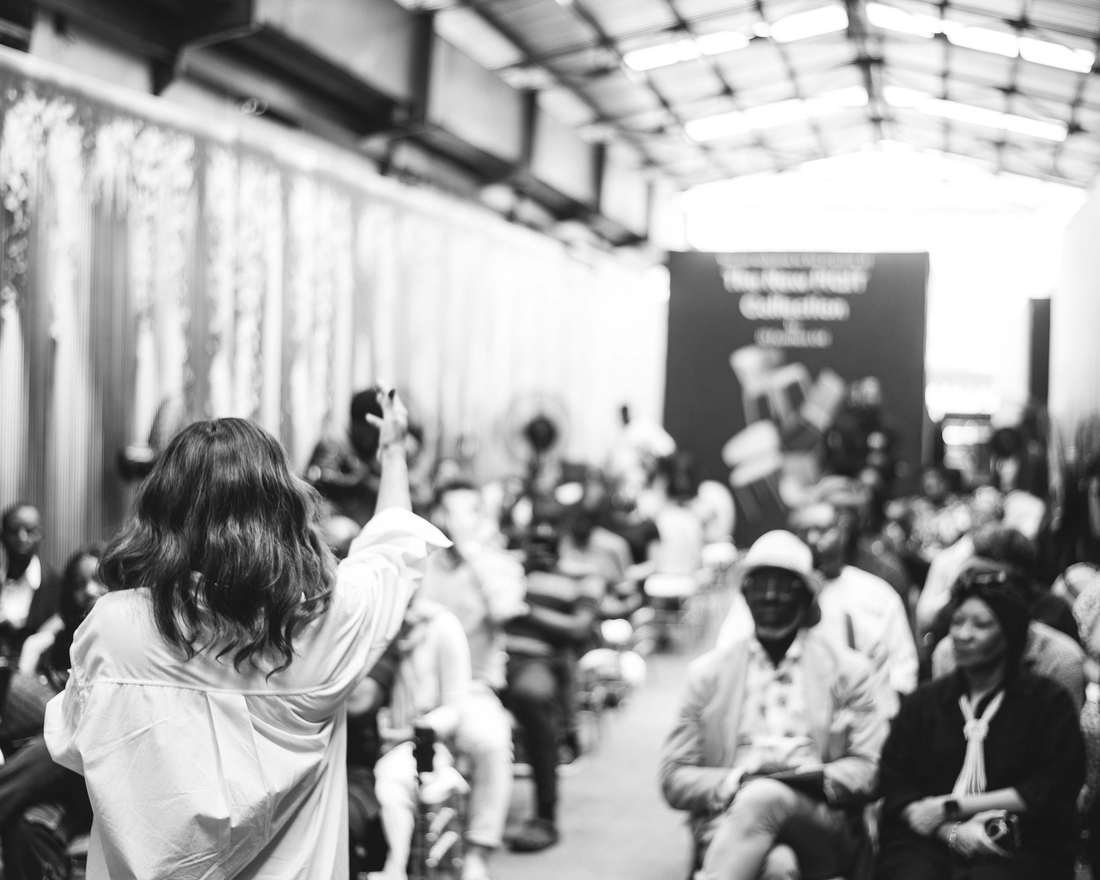
She was equally direct about self-advocacy. Many women, she noted, struggle to speak openly about their accomplishments because visibility can feel too close to self-promotion. Her message was simple and necessary: do not assume people know what you do. Learn to name your value. Learn to speak clearly about your contribution. And where possible, build relationships with champions who can advocate for you as well.
Do not assume people know what you do. Learn to name your value. — Kay Sargent
That is not vanity. It is professional survival. Visibility, in this sense, is not performance for its own sake. It is part of influence, advancement and long-term professional sustainability.
Why it matters for IWD: professional progress is not only about talent, but about visibility, support, opportunity, and the confidence to speak with clarity about one’s value.
Distinct value and the future of design
Sargent was just as clear on what creates momentum in a career. Doing your job well, she argued, is not the differentiator. It is the baseline. Real influence begins when you bring something distinct, whether that means opening new conversations, earning trust, creating fresh value, or contributing in ways others are not. That shift from competence to distinct value is where many careers begin to separate. Some stall there. Others move forward.
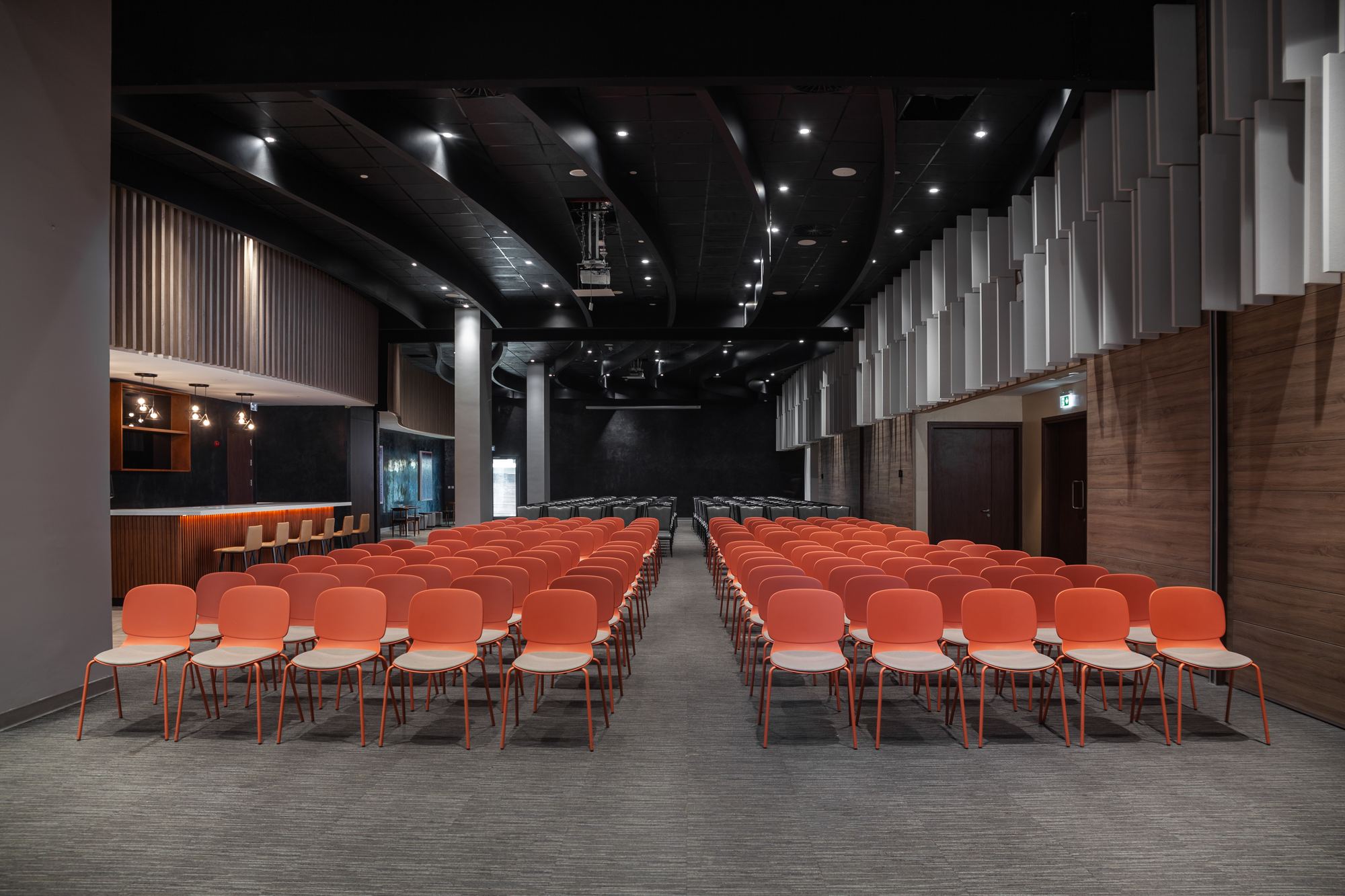
Her comments on the future of design sharpened the discussion further. In a profession increasingly shaped by AI and fast-moving tools, she argued that the most valuable human capabilities will not be routine production tasks. They will be communication, emotional intelligence, judgment, orchestration, and the ability to ask better questions.
Her framing was not defensive. It was demanding. Designers who want to remain relevant will need to think at a higher level and become more intentional about the human capabilities that technology cannot meaningfully replace. Technical skill will still matter, but it will not be enough on its own. The strongest practitioners will be those who can interpret complexity, build trust, and respond to human needs with clarity and precision.
Neurodiversity and human experience: designing for more than the eye
That emphasis on the human dimension carried directly into the session’s second major theme: neurodiversity. Here, Sargent’s perspective was especially compelling because it was grounded not only in experience, but in years of research.
She challenged the idea that neurodiversity is a niche issue relevant only to a small minority. Not everyone is neurodivergent, but everyone is affected by the sensory environment. Light, sound, density, movement, stimulation and control all shape how people function in a space, whether or not they have the language to explain what they are experiencing.
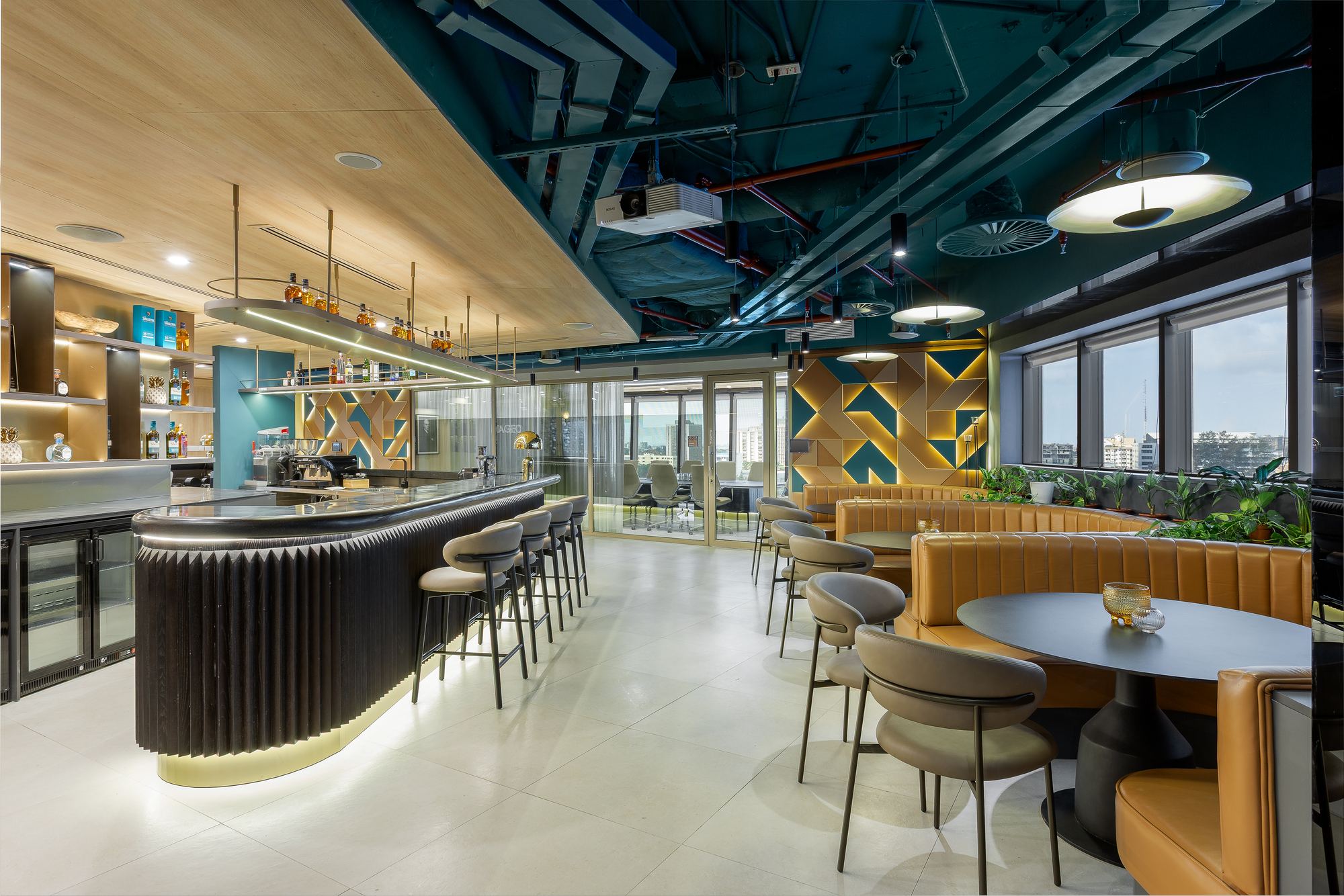
When asked about the challenge of introducing neurodiversity into mainstream design conversations, Sargent identified lack of awareness as the first barrier. Once the subject is properly explained, people’s understanding can shift very quickly. The gap is not always resistance. Often, people simply cannot value what they have never been taught to notice.
She also made an important point about how discomfort becomes normalised. Many people have spent so long adapting to harsh lighting, excess noise, overstimulation and constant low-level sensory stress that they accept those conditions as inevitable. But the cost remains. These environments still affect patience, concentration, comfort, well-being and performance, even when the effects go unnamed.
JCI and well-being
Sargent’s design principle was simple and strong: one size does not fit all. The goal is not to impose one universal condition on every user, but to build choice, variation and control into environments. Some people need calm. Others need stimulation. Some prefer enclosure. Others function better with openness. Better design does not flatten those differences. It plans for them.
Every space creates an effect. The real question is whether that effect is positive, whether the space is a “+1” in the lives of the people who enter it.
For James Cubitt Interiors, the value of this session lies in more than documentation. It opens a broader conversation around evidence-led design, career visibility for women, and the need to keep advancing neuroinclusion within our own context.
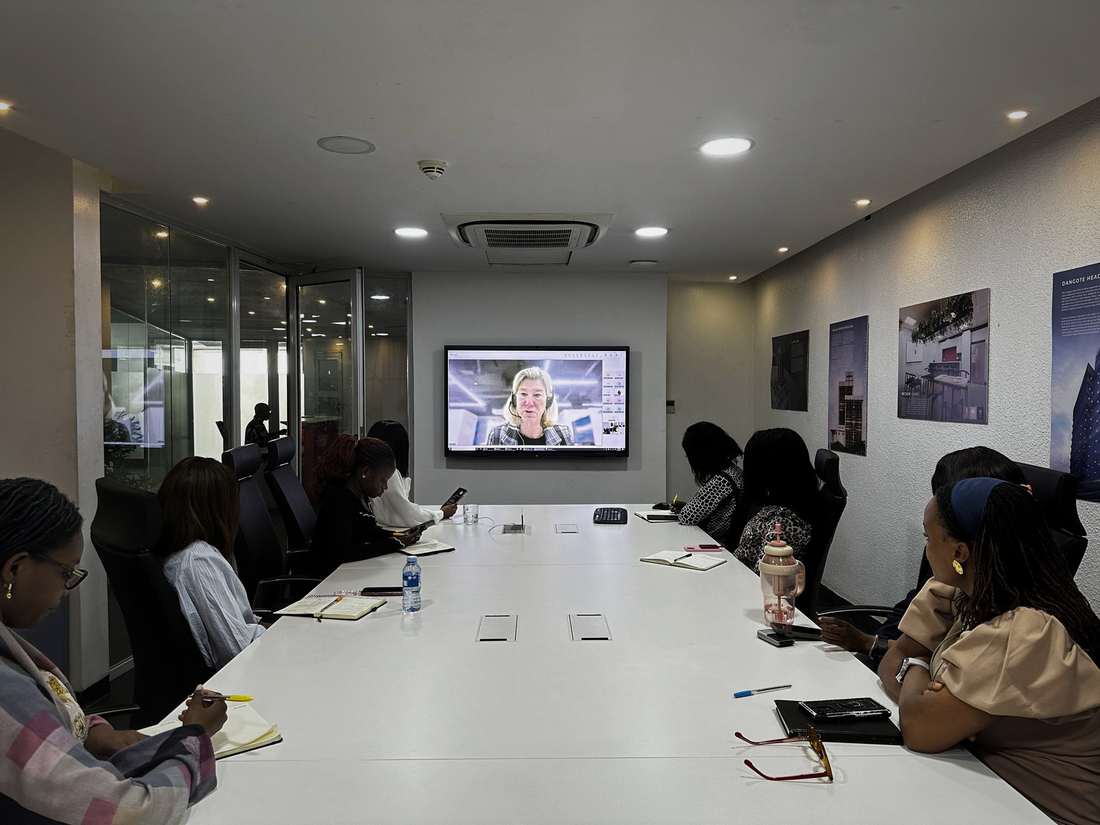
Why this conversation matters to JCI
James Cubitt Interiors is committed to creating thoughtful, human-centred spaces that support well-being in practical, emotional and measurable ways. In the context of International Women’s Day, Kay Sargent’s reflections on women’s leadership, visibility and self-advocacy speak directly to the importance of equity, recognition and influence within the profession. Her insights on neuroinclusive design also align closely with JCI’s wider mission: to create environments that are not only beautiful but also beneficial.
Design must go beyond aesthetics. It must help people thrive.